
What Is Liver Cirrhosis?
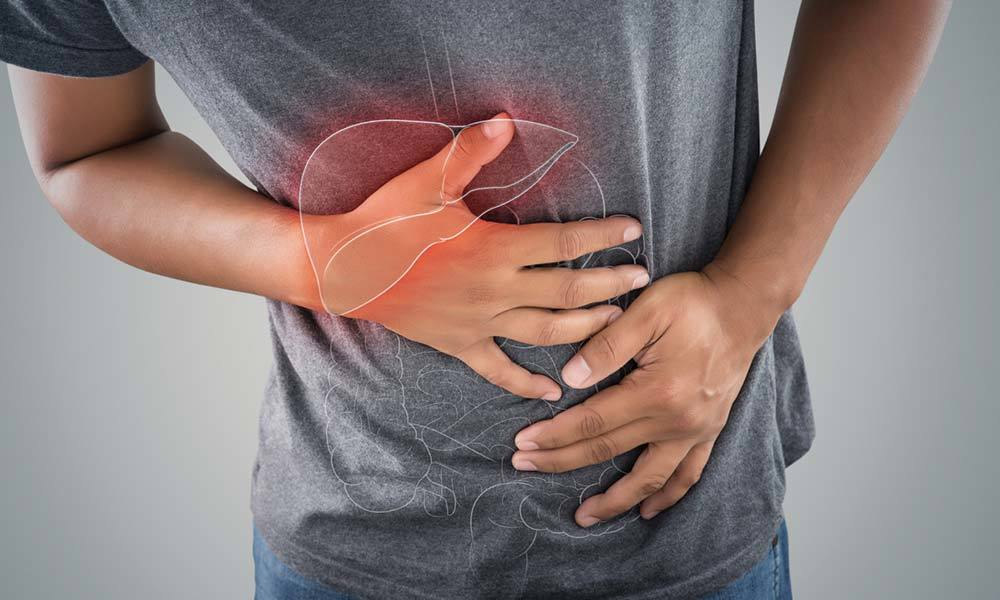
Liver cirrhosis is a chronic, progressive condition in which healthy liver tissue is gradually replaced with scar tissue (fibrosis). As scarring increases, the liver becomes stiff and less able to perform its essential functions, including detoxifying the blood, producing vital proteins, regulating metabolism, and supporting digestion.
Cirrhosis develops over months or years as a result of long-term liver damage. Once significant scarring has occurred, the damage is generally irreversible, but early diagnosis and treatment can slow or stop progression and reduce complications.
Common Causes of Liver Cirrhosis
Cirrhosis can result from many underlying conditions, including:
- Chronic alcohol-related liver disease
- Chronic viral hepatitis (Hepatitis B or C)
- Non-alcoholic fatty liver disease (NAFLD and NASH)
- Autoimmune hepatitis
- Bile duct diseases (such as primary biliary cholangitis)
- Genetic or metabolic disorders (e.g., hemochromatosis, Wilson disease)
- Long-term medication or toxin exposure
Symptoms of Liver Cirrhosis
In early stages, cirrhosis may cause few or no noticeable symptoms. As liver function declines, symptoms may include:
Early or Moderate Symptoms
- Fatigue and weakness
- Loss of appetite
- Nausea
- Weight loss
- Abdominal discomfort
Advanced Symptoms
- Jaundice (yellowing of the skin and eyes)
- Fluid buildup in the abdomen (ascites)
- Swelling of legs and ankles (edema)
- Easy bruising or bleeding
- Itching
- Confusion or memory issues (hepatic encephalopathy)
Symptoms vary depending on the severity of liver damage and underlying cause.
What Is a MELD Score?
The MELD score (Model for End-Stage Liver Disease) is a numerical scale used to assess the severity of chronic liver disease. It is most commonly used to:
- Estimate short-term survival in people with advanced cirrhosis
- Prioritize patients on the liver transplant waiting list
The MELD score is objective and based solely on laboratory values rather than symptoms.
How the MELD Score Is Calculated
The MELD score is calculated using three primary blood tests:
- Bilirubin – measures how effectively the liver clears bile
- INR (International Normalized Ratio) – measures blood clotting, which depends on liver function
- Creatinine – reflects kidney function, which often worsens in advanced liver disease
Some systems also include serum sodium (MELD-Na), as low sodium levels are associated with worse outcomes.
General Interpretation
- Lower scores indicate better liver function
- Higher scores indicate more severe disease and higher short-term mortality risk
Scores typically range from the low teens to 40, with higher scores receiving greater priority for transplantation.
Risks and Complications of Cirrhosis
As cirrhosis progresses, the risk of serious complications increases, including:
- Portal hypertension (high blood pressure in liver veins)
- Internal bleeding, especially from esophageal or gastric varices
- Infections
- Kidney failure (hepatorenal syndrome)
- Liver cancer (hepatocellular carcinoma)
- Liver failure requiring transplantation
Without proper management, advanced cirrhosis can be life-threatening.
Management and Outlook
While cirrhosis-related scarring cannot usually be reversed, treatment focuses on:
- Managing the underlying cause
- Preventing or treating complications
- Slowing disease progression
- Monitoring for liver cancer
- Evaluating for liver transplantation when appropriate
With early detection, proper medical care, and lifestyle adjustments, many individuals with cirrhosis can maintain quality of life for years.
When to Seek Medical Care
Anyone with known liver disease or symptoms suggestive of cirrhosis should be evaluated by a healthcare professional. Early intervention significantly improves outcomes and reduces the risk of severe complications.